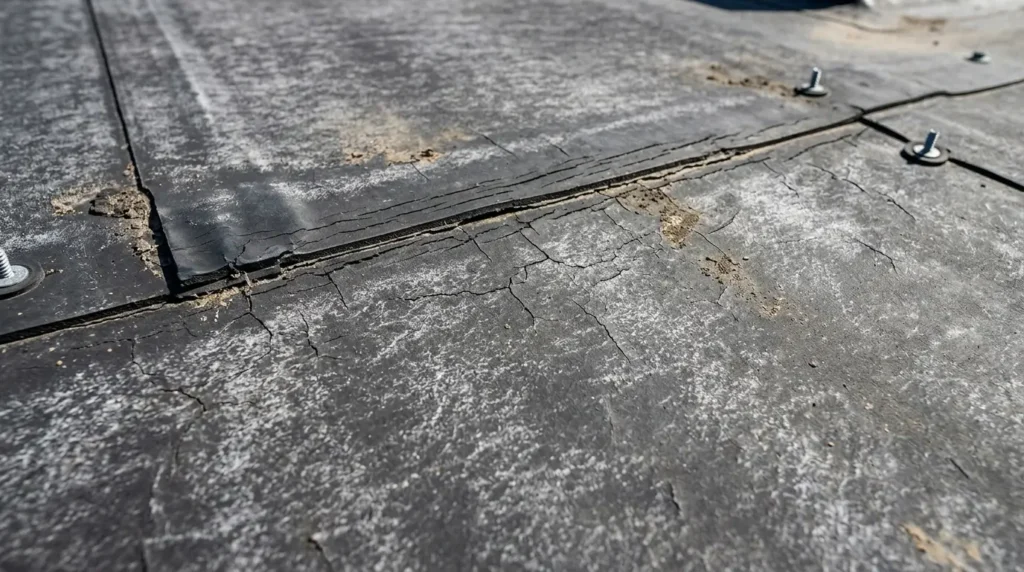
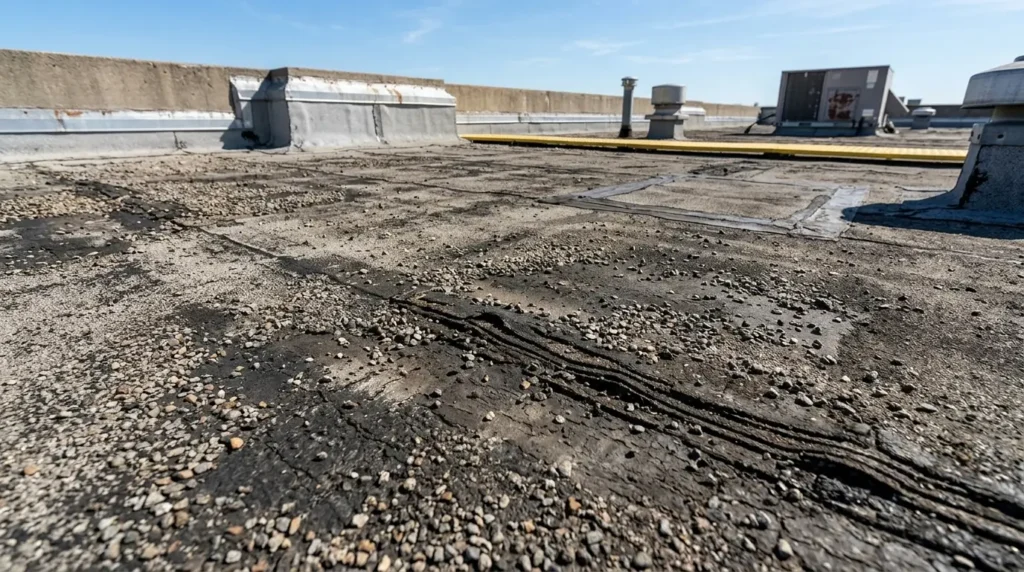
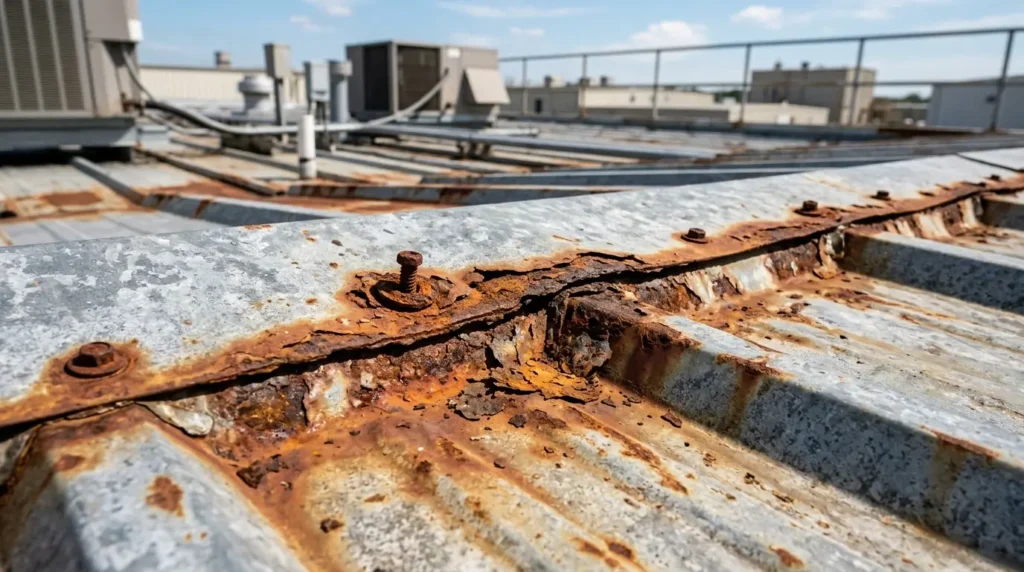
A failing flat roof does not always need to be torn off. If the deck is sound and the insulation is dry, a coating can restore it and extend its service life. LA Roof Kings applies silicone roof coating that Los Angeles building owners use to seal aging membranes, stop leaks, and cut cooling loads across our commercial roofing work.
We are a family-owned contractor with more than 20 years of experience. We will tell you straight whether a coating is the right answer for your roof or just buying time
What a Silicone Roof Coating Actually Does
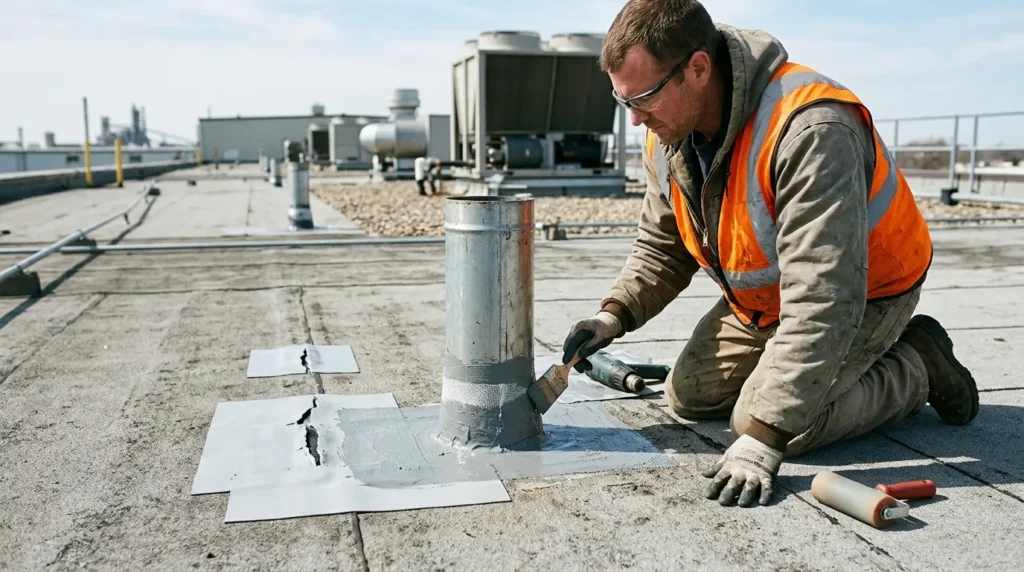
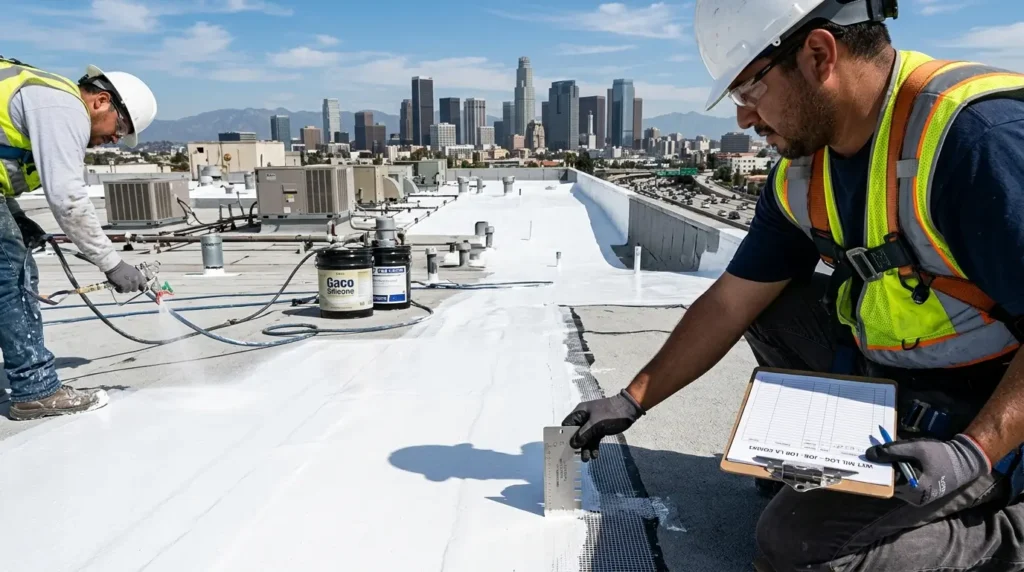
Silicone is a liquid-applied membrane. It goes down over your existing roof, cures into one seamless waterproof layer, and covers every seam, fastener, and flashing detail in the process. There are no laps to fail, because there are no laps.
Silicone holds up in two conditions that break other coatings. It resists ponding water, so it survives the low spots that never fully drain. And it does not chalk or break down quickly under constant UV exposure, which matters on a roof that gets full sun year-round.
Which Roofs Can Be Coated
Most low-slope systems take silicone well.
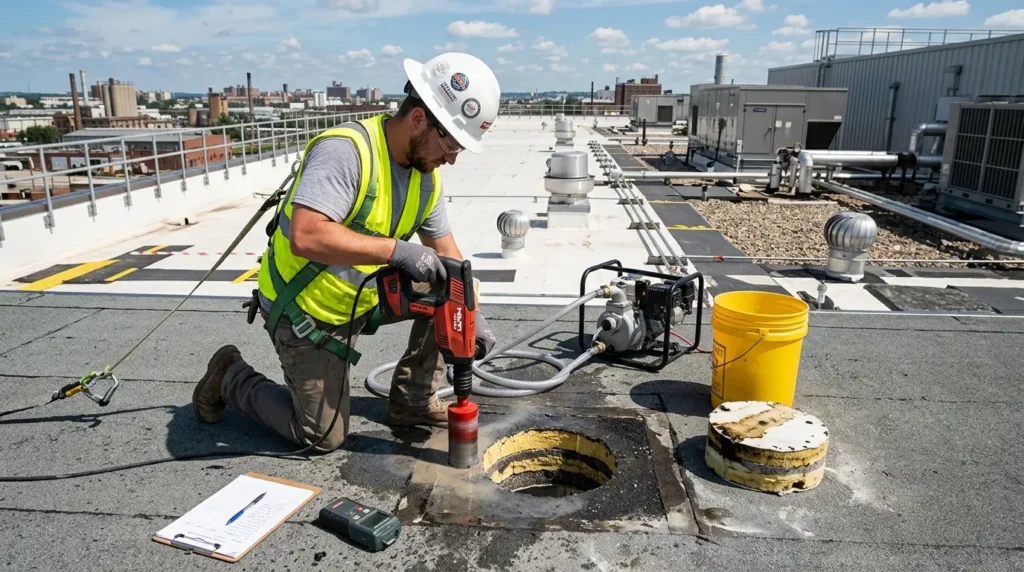
What silicone cannot do is fix a roof that is already gone. If the insulation is saturated or the deck is compromised, coating over it just traps the water. In that case, commercial roof replacement is the honest answer, and we will say so rather than sell you a coating that fails in two years.
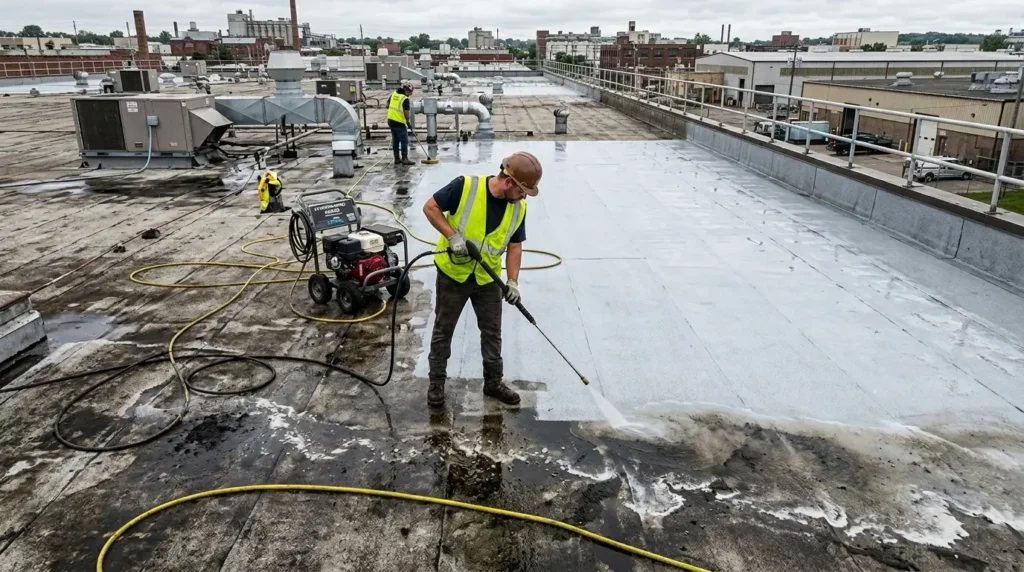
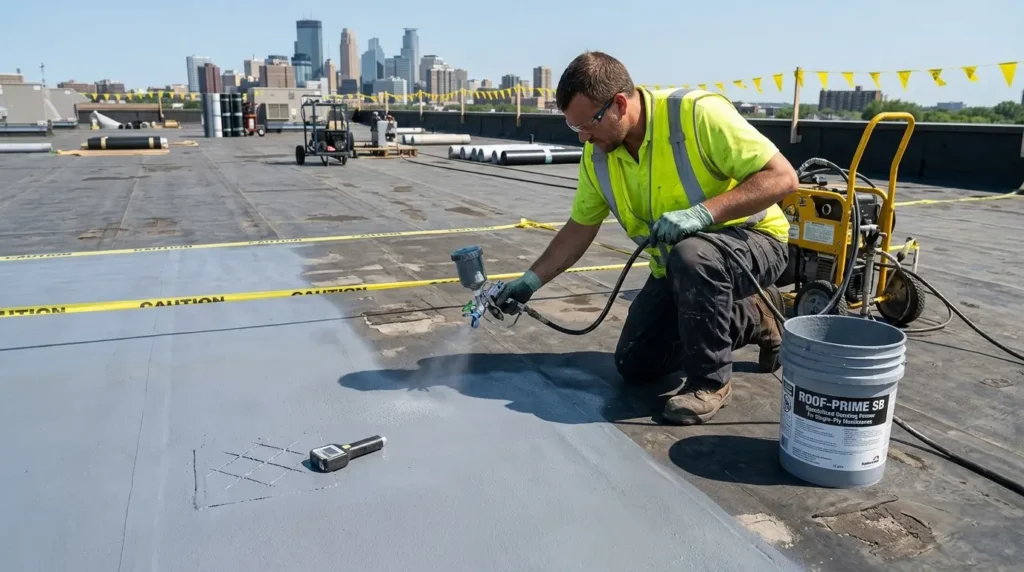
How We Apply a Silicone Roof Coating
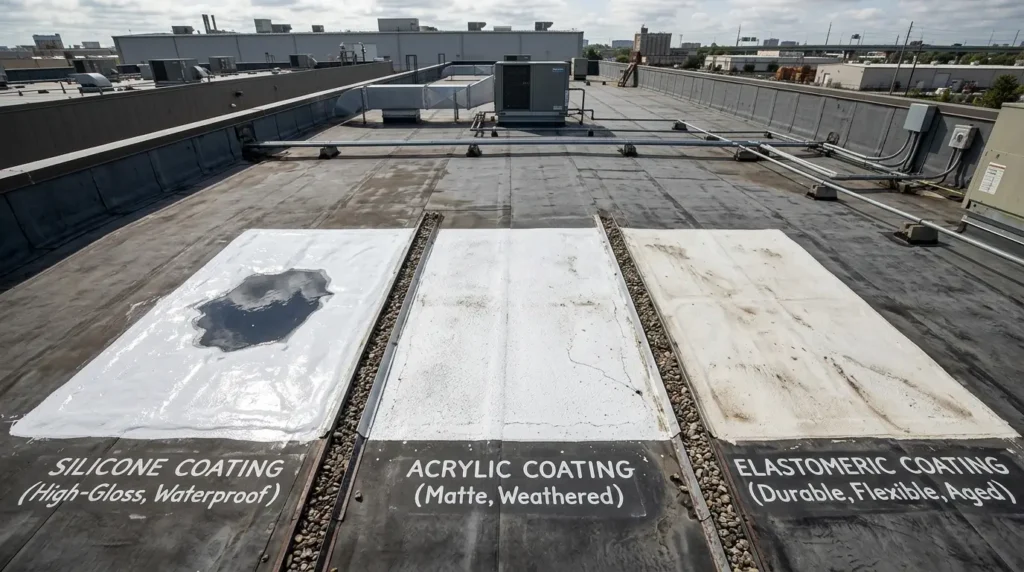
Silicone Compared to Acrylic and Elastomeric Coatings
Acrylic is cheaper and easier to apply, but it thins out under standing water and needs recoating sooner. On a roof with real ponding, acrylic is the wrong call.
Elastomeric is a broad category that includes both. What matters is the base chemistry. Silicone stays flexible, resists ponding, and holds its reflectivity longer. It costs more up front, and it is slicker when wet, which is a real trade-off on a roof with heavy service traffic.
Neither one is universally better. We look at the ponding, the traffic, and how long you plan to hold the building, then recommend one.
Title 24 and Cool Roof Compliance
California Title 24 sets cool roof requirements on many low-slope commercial projects. A white silicone roof coating Los Angeles projects specify carries high solar reflectance, which helps a roof meet those requirements without a tear-off. The same reflectivity lowers surface temperature, which takes the load off the HVAC units sitting on top of it.
We will confirm exactly what your project needs before we quote. Not every building triggers the same requirement.
Silicone Roof Coating Los Angeles Building Owners Can Rely On
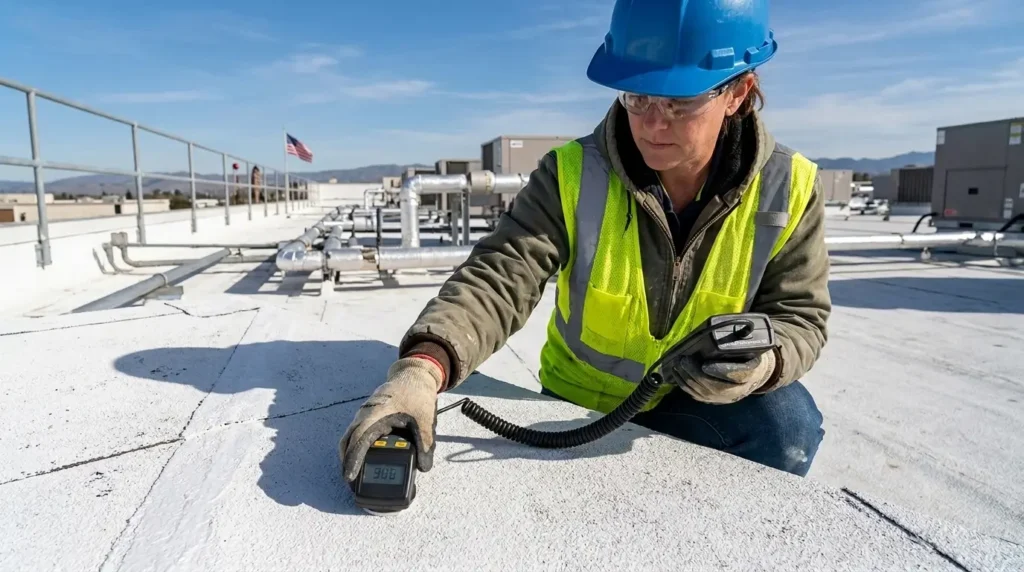
You get a real inspection first. We go up, document what we find, and show you the photos. Then you get a written scope detailing the coating system, the mil thickness, and the prep work. Start with a free roof inspection.
Russ, the owner, is on the job sites. We hold California Contractor License #600662, and we have been on Los Angeles County roofs for more than 20 years. Every job comes with a written warranty.
If your flat roof is leaking and you are not ready to replace it, a silicone roof coating inspection in Los Angeles is the place to start. If the roof is too far gone, we will tell you. If a commercial roof waterproofing approach or a commercial roof maintenance plan is the better fit, we will tell you that too.
Frequently Asked Questions