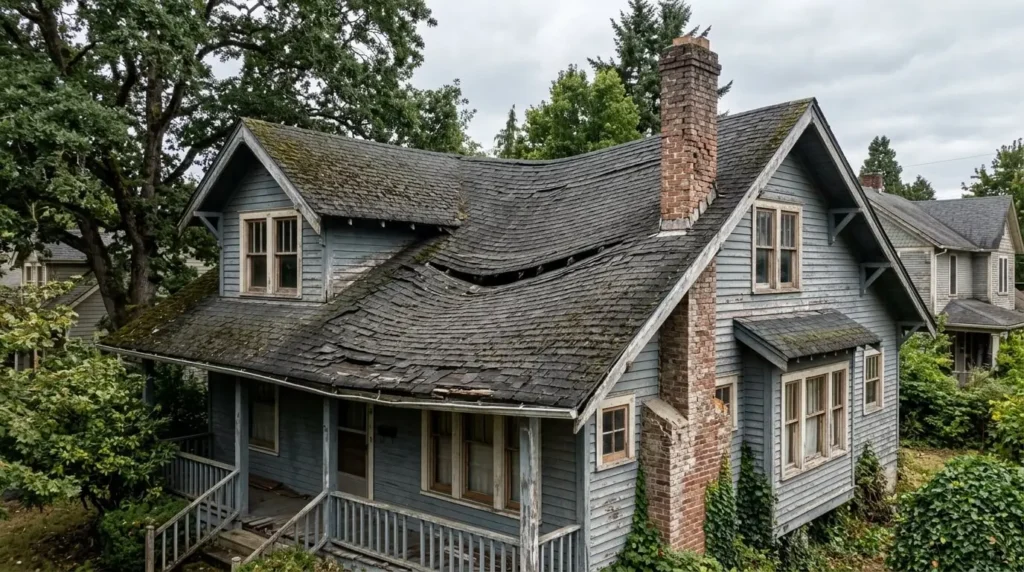
Sometimes the tiles on your roof are still in good shape, but the layer underneath has quietly worn out. That hidden layer is the underlayment, and it is what actually keeps water out. When it fails, the fix is not a whole new roof. It is an underlayment replacement. LA Roof Kings is a family-owned company serving Los Angeles County for more than 20 years, licensed under California Contractor License #600662. We replace worn underlayment, reuse the tiles you already have, and save you the cost of a full reroof. Call us at (310) 919-7587 for a free inspection.
What Roof Underlayment Does, and Why It Fails First
Underlayment is the waterproof layer that sits between your roof deck and your tiles. The tiles take the sun and shed most of the rain, but they are not watertight on their own. Water that blows under or between them is stopped by the underlayment. On a tile roof, this is the part doing the real waterproofing.
Here is the catch. Tiles can last 50 years or more, but underlayment typically lasts only 20 to 30 years. So on most older tile roofs in Los Angeles, the tiles are fine while the underlayment beneath them has already given out. That mismatch is the single most common reason a tile roof starts leaking even though it looks perfectly good from the street.
Signs Your Underlayment Needs Replacing
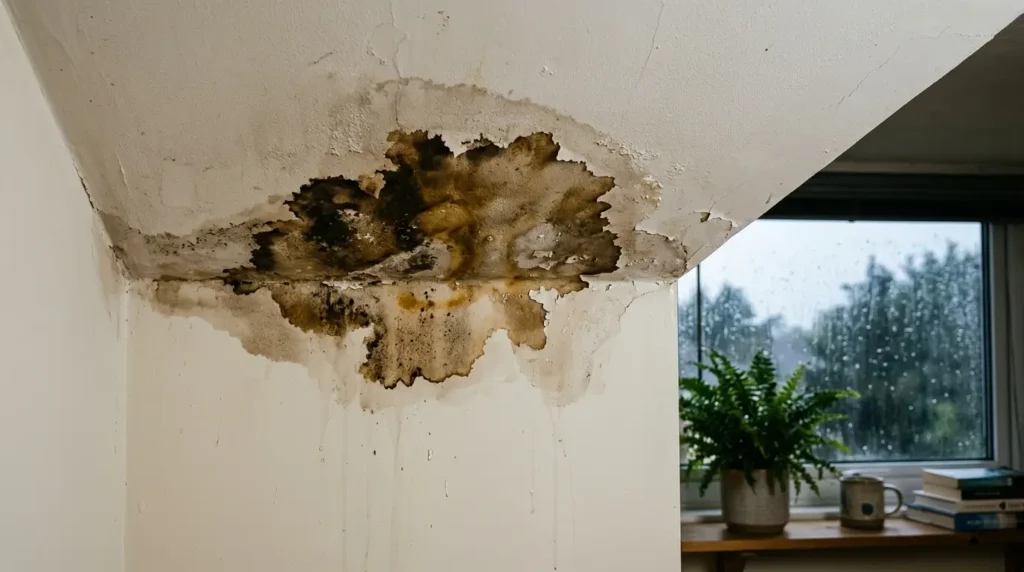
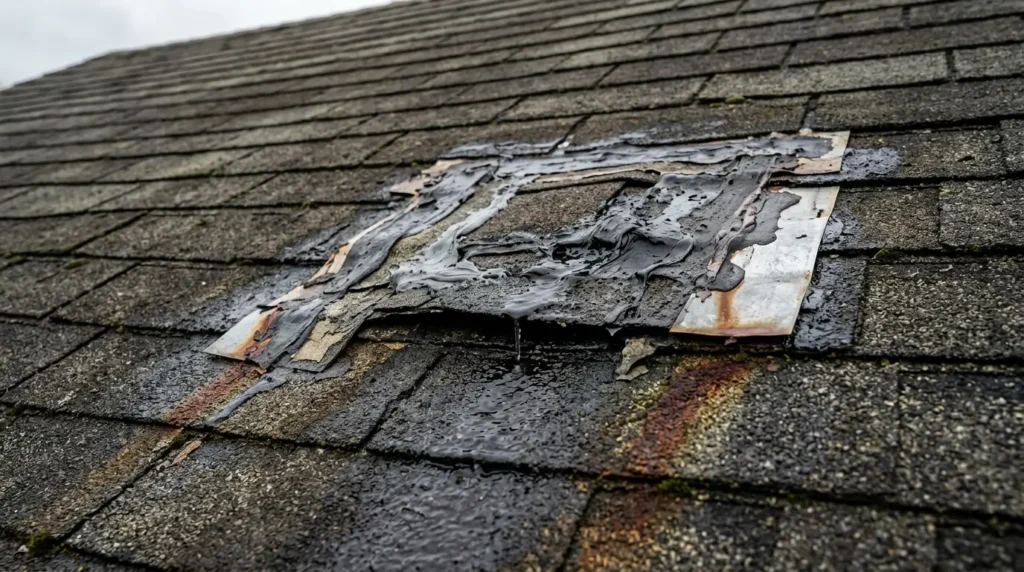
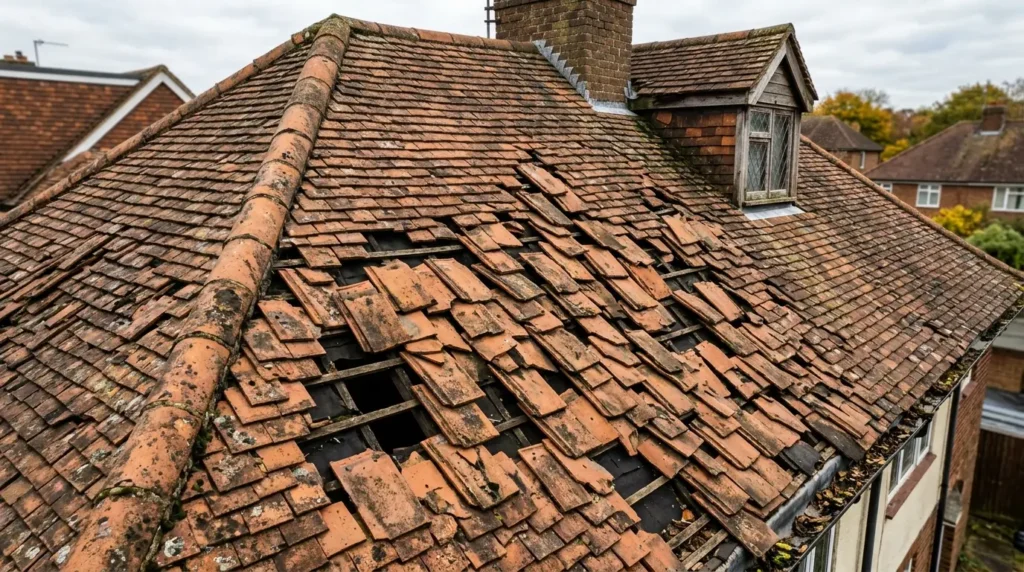
Because the damage is hidden under the tiles, the warning signs show up indoors or as small clues on the roof:
If any of these sound familiar, the only way to confirm it is to look under the tiles. That is what our free Roof Inspection is for. We check the underlayment, the decking, and the flashing, then tell you honestly what is going on.
Why Underlayment Replacement Matters for Your Los Angeles Home
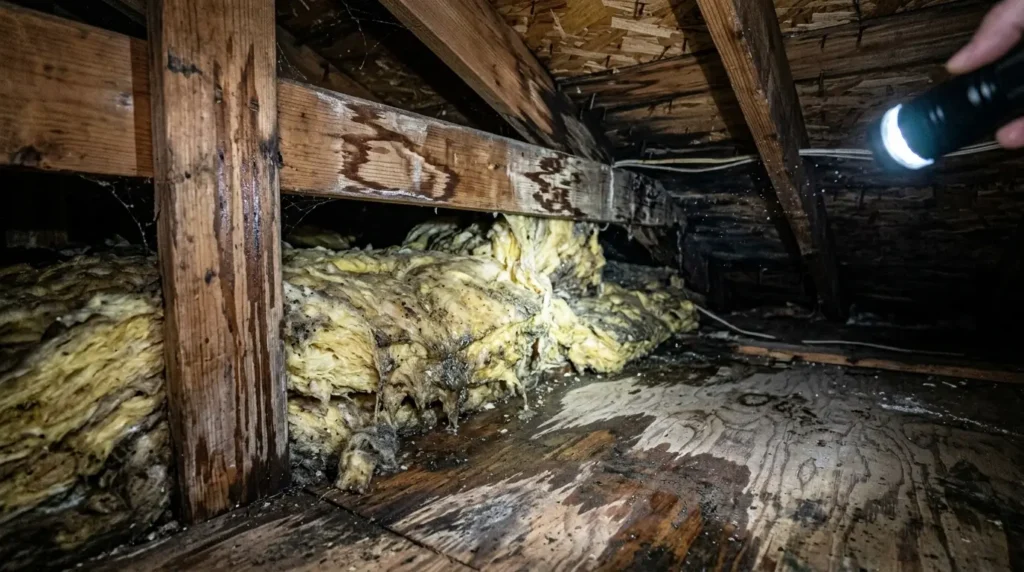
The underlayment is your home’s second line of defense against water. Rain that slips past or between the tiles lands on this layer instead of your ceiling. When it breaks down, even small gaps between tiles let moisture reach the wood framing and insulation underneath, and that is where the real damage starts.
Los Angeles is tile country. Drive through almost any neighborhood and you will see clay and concrete tile roofs everywhere, many of them decades old. The tiles were built to last and usually have. The underlayment is another story. Year-round UV exposure and heat dry out and crack older felt long before its time, even while the tiles above it look untouched. Add the Santa Ana winds that drive rain sideways under the tiles, and you have the exact conditions that wear underlayment out faster here than in milder climates. That is why this is one of the most common tile roof services we do across the county.
Replacing worn underlayment on time protects you in a few concrete ways:
- It prevents water damage and mold. A fresh layer keeps moisture away from the wood framing and insulation, so you avoid expensive remediation and the health problems that come with mold.
- It extends the life of your whole roof. Sound underlayment protects the decking and structure beneath your tiles, adding years to the roof as a system.
- It keeps a small fix from becoming a big one. Catching worn underlayment early usually costs far less than repairing the rot and interior damage that follow once water gets in.
The timeline depends on the size and complexity of your roof, and we give you a clear schedule after the inspection. The sooner you act after spotting water stains or slipped tiles, the less likely you are to face structural damage.
Our Underlayment Replacement Process
1. Inspection and assessment. We get on the roof, lift a few tiles, and check the real condition of the underlayment and decking. This tells us the scope and cost before any work begins, and whether you truly need underlayment replacement or something else.
2. Careful tile removal. We lift your existing tiles and stack them safely so they can go back on, working systematically to keep debris down and protect your landscaping and anything around the house. Most tiles survive intact. Solar panels, if you have them, have to come off first to reach the underlayment, which we take care of as part of the job.
3. Deck inspection and repair. With the tiles off, we can see the full condition of the roof deck. We replace any rotted or soft plywood or OSB sheathing before going further, because damaged decking only gets worse if it is left in place.
4. New underlayment. We install fresh underlayment that meets current building codes, with proper overlap and the correct fastening pattern, sealed around vents, valleys, and flashing to form one continuous moisture barrier.
5. Tile reset and seal. We reinstall your original tiles, replace the small percentage that broke during removal with matching ones, and make sure the flashing is set correctly so water cannot bypass the new layer.
6. Final check, cleanup, and warranty. We do a final walkthrough, clear the site, sweep for nails, give you documentation of the work, and back it all with a written warranty.
Underlayment Replacement or a Full New Roof?
This is the question most homeowners really want answered, because it is the difference of thousands of dollars. The honest test is simple. If the tiles are still in good condition and only the underlayment has failed, an underlayment replacement is the smarter, far cheaper choice. You reuse the tiles, which are the most expensive part of the roof, and pay mainly for the new underlayment and the labor to remove and reset the tiles.
If the tiles themselves are widely cracked or the decking is badly damaged, then a full Roof Replacement may make more sense. We will never push you toward a new roof you do not need. After the inspection, we give you honest numbers for both so you can decide. Homes with solar are covered too. We coordinate the solar panel removal and reinstall so the panels come off, the new underlayment goes in, and they go back on without you hiring a separate crew. If the issue turns out to be a single leak rather than a worn-out layer, our Roof Leak Repair service handles that instead, and for general fixes see Roof Repair.
Materials We Use
The underlayment you choose affects how long you go before needing this again. Felt is the budget option, while synthetic and rubberized underlayment cost a bit more and hold up far better under LA heat and sun. For most tile roofing here, we recommend a quality synthetic so the new layer lasts as long as possible. We work only with proven, code-compliant materials, and we will walk you through the trade-offs honestly before you decide.
Why Los Angeles Property Owners Choose LA Roof Kings
Serving All of Los Angeles County
We replace underlayment on tile roofs across Los Angeles County, from the San Fernando Valley to the South Bay and out to the San Gabriel Valley. Underlayment replacement is one of several tile and shingle services in our full lineup of residential roofing, so if your roof needs more than a new underlayment layer, we can handle that too. You can see all the communities we cover on our Service Areas page. If your property is in Orange County, our sister company OC Roof Kings handles the same work there to the same standards.
Frequently Asked Questions